Introduction: The Importance of Eco-Friendly Landscaping
In recent years, the importance of sustainable living has gained momentum across various sectors, including landscaping. Homeowners in Queen Creek are increasingly seeking ways to create beautiful outdoor spaces while being mindful of their environmental impact. This shift is not just about aesthetics; it’s about adopting practices that contribute to a healthier ecosystem and community. The phrase "Eco-Friendly Landscaping Practices for a Greener Queen Creek" encapsulates this vision, highlighting the essence of promoting sustainability through landscaping.
Landscaping in Queen Creek can be both an art and a science. By integrating eco-friendly practices into your landscaping strategy, you can cultivate a vibrant landscape that enhances your property’s beauty while preserving local natural resources. In this comprehensive guide, we will explore various eco-friendly landscaping practices tailored for the unique climate and environment of Queen Creek.
Eco-Friendly Landscaping Practices for a Greener Queen Creek
Understanding the Local Climate and Soil Conditions
Queen Creek's Unique Climate
Queen Creek boasts a warm desert climate characterized by long summers and mild winters. This climate presents challenges and opportunities for eco-friendly landscaping. Understanding the local weather patterns is crucial in selecting plants that thrive without excessive water usage.
Soil Conditions in Queen Creek
The soil in Queen Creek often consists of clay and sandy loam, requiring specific amendments to promote healthy plant growth. Knowing how to amend your soil can greatly enhance its fertility and water retention capabilities.
Choosing Native Plants for Sustainable Landscaping
Benefits of Native Plants
Native plants are well-adapted to the local climate and require less water, fertilizer, and pesticides compared to non-native species. They also provide essential habitats for local wildlife, contributing to biodiversity.
Popular Native Plants in Queen Creek
- Desert Marigold: A drought-tolerant perennial with bright yellow flowers. Arizona Ash: A fast-growing tree that provides ample shade. Agave: Low-maintenance succulents that come in various sizes.
By incorporating these native species into your landscaping plan, you can create a sustainable garden that flourishes with minimal intervention.
Water Conservation Techniques in Landscaping
Smart Irrigation Strategies
Efficient irrigation systems can significantly reduce water waste. Drip irrigation systems deliver water directly to plant roots, minimizing evaporation loss.
Rainwater Harvesting Systems
Consider installing rain barrels or cisterns to collect rainwater from your roof. This collected water can be used landscaping in Queen Creek for irrigation during dry spells, promoting sustainability while reducing utility bills.
Soil Health Improvement Practices
Organic Mulching Techniques
Applying organic mulch around plants helps retain moisture, suppress weeds, and improve soil health as it decomposes over time. Options include wood chips, straw, or composted leaves.
Composting: A Sustainable Solution
Creating a compost pile allows you to recycle kitchen scraps and yard waste into nutrient-rich soil amendments. Compost enriches garden beds while reducing landfill waste.
Creating Wildlife Habitats Through Landscaping
Pollinator Gardens
Establishing pollinator gardens with flowering plants attracts bees and butterflies essential for pollination. Choose plants that bloom at different times throughout the year to support these vital insects continuously.
Bird-Friendly Landscapes
Incorporating birdhouses and feeders while planting fruit-bearing shrubs can create an inviting environment for birds. This not only enhances biodiversity but adds liveliness to your space.
Sustainable Hardscaping Options
Permeable Paving Solutions
Using permeable materials such as gravel or permeable pavers allows rainwater to infiltrate the ground rather than run off into storm drains. This reduces flooding risks while recharging groundwater supplies.

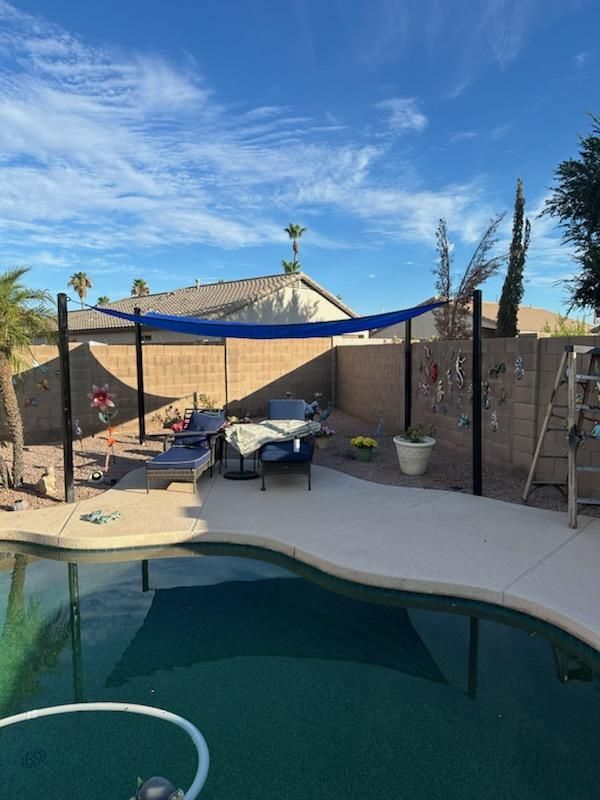
Recycled Materials in Hardscaping
Consider using reclaimed wood or recycled stone for paths and patios. These materials add character while minimizing environmental impact compared to new resources.
Maintaining Your Eco-Friendly Landscape Efficiently
Regular Maintenance Practices
Adopting natural pest control methods like introducing beneficial insects (e.g., ladybugs) or using neem oil helps maintain plant health without harmful chemicals.
Seasonal Care Tips for Your Landscape
Different seasons require varied care techniques; understanding these seasonal needs ensures your garden remains healthy year-round without excess resource use.
FAQs About Eco-Friendly Landscaping in Queen Creek
What are some easy eco-friendly landscaping practices I can start with?- Start by choosing native plants that require less water and maintenance. Implementing mulching techniques will also help retain moisture in the soil.
- Efficient irrigation methods like drip systems conserve water by delivering it directly where it's needed most—at plant roots—reducing waste significantly.
- Absolutely! Native plants offer stunning blooms and diverse textures that contribute beauty while supporting local wildlife populations.
- Opt for permeable pavers or recycled materials like reclaimed wood or stone which not only look great but also align with sustainable practices.
- Not at all! Start small with kitchen scraps and yard waste; over time you’ll produce nutrient-rich compost that benefits your garden enormously.
- Yes! Companies like Blossom & Oak Landscaping specialize in creating sustainable landscapes tailored specifically for environments like Queen Creek.
Conclusion: Adopting Sustainable Practices
Embracing eco-friendly landscaping practices is more than just a trend; it’s an investment in our planet's future—and our own quality of life in communities like Queen Creek. By focusing on native plant selections, efficient watering techniques, soil health improvements, wildlife habitats creation, sustainable hardscaping options, and regular maintenance strategies, homeowners can cultivate beautiful outdoor spaces that are both environmentally friendly and aesthetically pleasing.
Investing time into understanding these practices not only enhances personal spaces but contributes positively toward larger environmental goals within our community—a win-win situation indeed! So why wait? Dive into these eco-friendly landscaping practices today with professionals like Blossom & Oak Landscaping by your side!